





Video Content Company
A video content company may want to launch a subscription-based OTT platform where audiences can discover and watch its licensed content.
Industry: Media & Entertainment
Build OTT platforms, video and audio streaming applications, smart TV experiences, content management systems, and digital media solutions tailored to your business.
Media and entertainment businesses depend on technology to organize content, manage audiences, distribute digital experiences and operate across different devices.
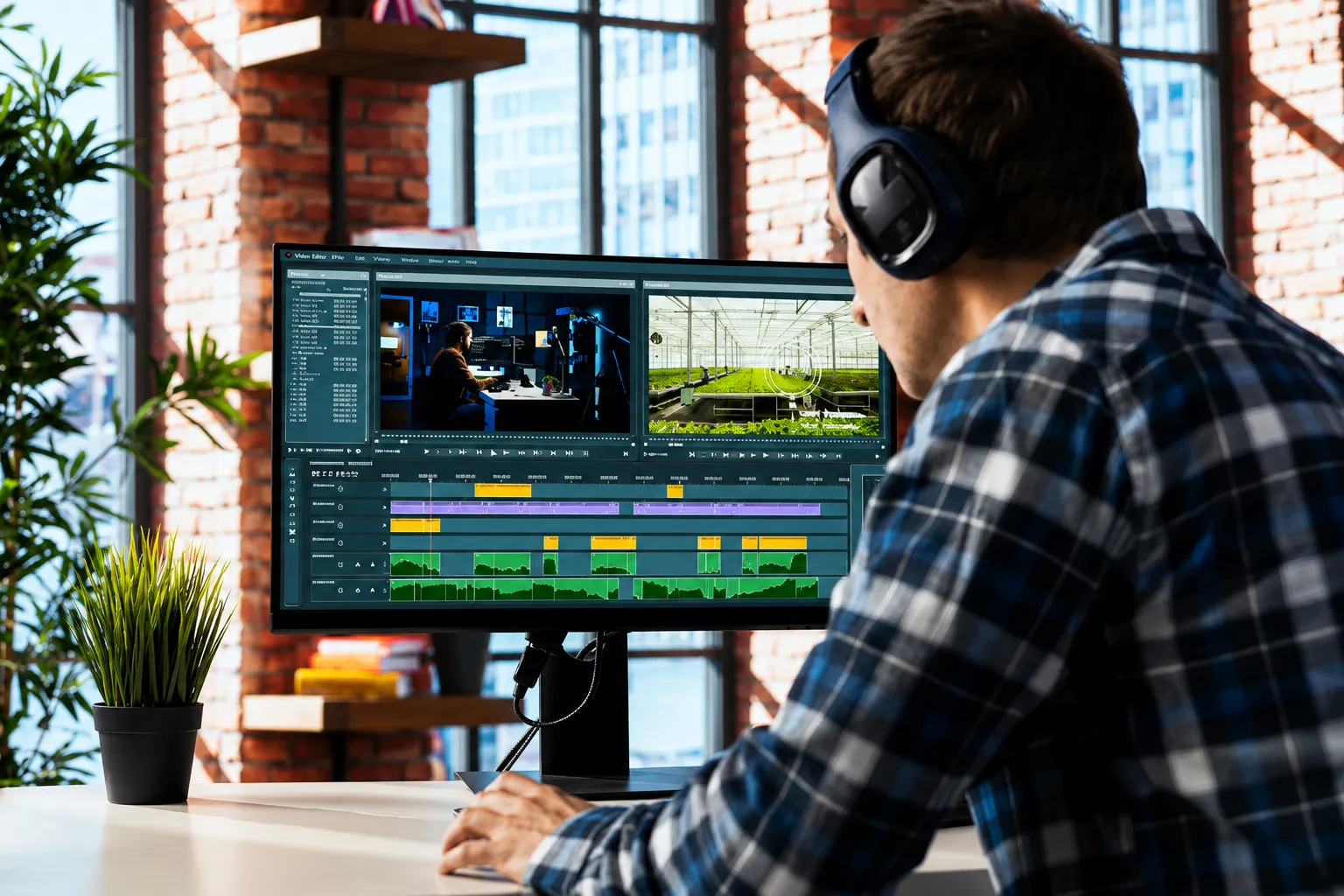 Video and Audio Streaming Applications
A video content company may want to launch a subscription-based OTT platform where audiences can discover and watch its licensed content.
A broadcaster may require live streaming, program schedules, authenticated viewers and catch-up viewing.
An audio publisher may need applications for podcasts, music, audiobooks or other authorized audio content.
A production company may require a content management system for ingesting media, organizing metadata and coordinating publication.
A digital entertainment startup may need a website, mobile application, smart TV app and scalable video delivery infrastructure.
At Alive Inc., we help media and entertainment organizations plan and develop websites, software platforms, mobile applications, smart TV applications and authorized media integrations.
Our services can cover OTT development, video-on-demand platforms, audio streaming software, live media applications, subscription systems, content catalogs, media management tools, playback experiences and administrative dashboards.
We begin by understanding your content model, audience, business goals, supported devices, media rights, distribution requirements and existing technical infrastructure.
Every media business has different operational needs. A subscription video platform, podcast application, broadcaster portal and digital publishing system should not be treated as identical software products.
Our approach is to define an appropriate development scope around your intended media services, authorized content and technical requirements.
Based in Navi Mumbai, India. Providing IT development services to businesses worldwide.
Overview
Connect Content, Audiences, Devices and Digital Revenue
The Challenge
Media platforms require several systems to work together.
How Technology Helps
At Alive Inc., we approach these requirements as a connected software ecosystem.
We distinguish user-facing applications from backend content administration, video processing, delivery infrastructure, licensed third-party platforms and legal content rights.
For example, developing a streaming player is not the same as acquiring permission to distribute a film.
Implementing an authorized DRM integration is also different from guaranteeing that protected content can never be copied.
A successful project requires clear ownership of each part of the technology and appropriate commercial arrangements with content, payment, streaming and platform providers.
Challenges
Videos, audio tracks, artwork, descriptions, subtitles and publication records may be stored in disconnected locations.
A structured media catalog can help organize approved assets and metadata.
Audiences may use browsers, smartphones, tablets and smart TVs.
Each device category has different interaction, playback and distribution requirements.
A media service may need to determine which content each user can access based on subscription, territory, purchase or other entitlements.
Playback problems can result from incompatible formats, network conditions, CDN delivery, player behavior or other technical factors.
Video content may require encoding, packaging, subtitles, thumbnails, manifests and approved quality checks before release.
Live media requires suitable ingest, encoding, distribution, monitoring and event recovery processes.
Businesses may offer advertising, subscriptions, rentals, purchases or combinations of these models.
Each has different technical and commercial implications.
A media title may be available only in specific countries, time windows, devices or commercial arrangements.
Global media platforms may require several audio tracks, subtitles, localized metadata and region-specific catalogs.
Android TV, Apple TV, Samsung Tizen and LG webOS may require different application frameworks, testing and store approvals.
Account details, viewing history, identifiers and advertising data may require appropriate user controls and regulatory treatment.
Managers may need reliable visibility into subscriptions, active users, content engagement and technical streaming performance.
Media platforms may require appropriate entitlement checks, token protection, content encryption and licensed DRM systems.
Storage, transcoding, streaming delivery, third-party licences and operational monitoring can affect platform costs.
Technology can address selected requirements, but software does not itself guarantee audience growth, streaming uptime or content licensing.
Solutions
Develop video-focused digital platforms around approved content, users and monetization requirements.
An OTT platform may deliver authorized video content directly to viewers over internet-connected devices.
Potential features include:
The platform scope should separate application development from streaming infrastructure and content distribution rights.
Related Service:
Create an on-demand viewing platform for a licensed media catalog.
Video-on-demand systems may support films, episodic content, educational media, recorded events or other authorized video libraries.
Potential features include:
The application should present only media that the operator is entitled to publish for the selected audience and territory.
Plan streaming experiences for approved live channels, events and media broadcasts.
Live video differs from on-demand playback because the media is produced and delivered continuously.
Potential features include:
The business must arrange appropriate ingest sources, video production equipment, encoding, CDN capacity and broadcast rights.
Build applications for distributing licensed audio content through web and mobile experiences.
Potential features include:
Commercial music streaming requires appropriate recording, publishing, reproduction, performance and other rights as applicable.
Related Service:
Organize spoken-audio content and listener experiences.
Potential features include:
The publishing organization must hold suitable rights to the audio and associated artwork or transcripts.
Create television applications suited to supported devices, remote navigation and media playback.
A TV application requires different interaction design and quality testing from a mobile app.
Potential functionality includes:
The target television platforms, SDKs, devices, playback capabilities and app-store requirements must be assessed before confirming implementation.
Related Service:
Plan streaming applications for eligible Android TV and Google TV environments.
Potential technical work includes:
Google controls its device, quality, account and distribution rules.
An Android phone application should not be assumed ready for TV distribution without platform-specific review.
Develop suitable tvOS media applications using supported Apple technologies.
Potential work includes:
App approval, payment rules and supported APIs remain subject to Apple's current requirements.
Assess device-specific applications for eligible smart TV platforms.
Potential work includes:
Samsung and LG control their respective platform policies, partner access, SDK capabilities and app distribution.
Platform support must be confirmed per target device generation.
Build websites for studios, media publishers, production companies and entertainment organizations.
Potential features include:
Media artwork, cast information and promotional content must be supplied or authorized by the rights holder.
Organize content records, editorial approval and publication across supported media platforms.
A media CMS may manage the catalog metadata displayed in apps and websites.
Potential features include:
A CMS record should not itself be treated as proof of content ownership or licensing.
Manage large collections of digital assets and related technical metadata.
Potential features include:
Content asset storage should be separated from public delivery where appropriate.
Plan suitable processing for video assets destined for supported devices and delivery networks.
Potential functionality includes:
Encoding infrastructure and third-party processing costs depend on the chosen provider and workload.
Prepare media delivery for devices and network conditions that can change during playback.
Adaptive bitrate streaming can allow a player to select from suitable media renditions.
Potential requirements include:
Actual streaming quality depends on the source media, encoding, player, CDN, device and network conditions.
Connect suitable content delivery services to a media platform.
Large streaming platforms may rely on a content delivery network to distribute media efficiently across regions.
Potential work includes:
No CDN arrangement can guarantee uninterrupted playback under every network condition or regional restriction.
Evaluate licensed digital rights management systems for protected media distribution.
Some content licensors require DRM and related playback restrictions.
Potential technologies may include Google Widevine, Apple FairPlay Streaming, and Microsoft PlayReady where supported.
Potential work includes:
DRM integration requires suitable technical rights, provider arrangements and compatible devices.
DRM is a deterrent and access-control mechanism, not a guarantee that all unauthorized copying becomes impossible.
Represent approved publishing rights as enforceable business rules within the platform.
Media content may have different rights by country, device, language, business model and date.
Potential features include:
The platform can enforce recorded rules, but it cannot determine legal ownership or grant missing content rights.
Create subscriber access workflows for eligible media plans.
Potential features include:
The actual payment implementation must follow the applicable payment provider and mobile app store policies.
Plan subscription-based access to an authorized video catalog.
Potential functionality includes:
The licensing agreement must permit the content to be distributed through the intended subscription model and markets.
Evaluate advertising-supported video services using authorized ad technology.
Potential functionality includes:
Advertising inventory, rates, fill, revenue and ad-platform approval remain subject to actual commercial agreements and provider systems.
Support suitable digital rentals or purchases for authorized content.
Potential features include:
Transactions for digital media within mobile and TV applications may be subject to platform billing rules.
Organize live programming, schedules and channel information.
Potential features include:
The electronic program guide should use verified programming records and must account for last-minute schedule changes.
Define authorized account structures for viewers with different preferences.
Potential functionality includes:
Family accounts and child-focused features require appropriate safeguards and accurate parental-control representations.
Help viewers find relevant content within an authorized media catalog.
Potential features include:
Recommendations should not create unauthorized access to restricted content or infer sensitive user attributes without appropriate safeguards.
Build Android, iOS and Flutter applications for supported streaming and entertainment workflows.
Potential features include:
Actual DRM and media playback compatibility must be checked separately for each target platform and device category.
Related Service:
Evaluate controlled local media access where rights and platform technologies permit it.
Potential functionality includes:
Offline downloading is not automatically available for every DRM scheme, device, browser or content licence.
Provide suitable playback experiences through supported player components and services.
Potential requirements include:
The selected player must be tested against supported devices, media formats, encryption and playback requirements.
Monitor relevant viewer activity and technical delivery indicators.
Potential reports include:
Definitions must distinguish business metrics from player telemetry and financial records.
Manage platform operations through appropriate administrative roles.
Potential features include:
The system must enforce permissions at the backend and data level, not only through hidden interface controls.
Connect authorized streaming platforms with relevant software and infrastructure.
Potential integrations include:
API availability and usage rights must be verified for every provider.
Related Service:
Develop appropriate search-engine foundations for public media and entertainment websites.
Potential work includes:
Video rich-result eligibility depends on actual watch-page content and Google's current requirements.
A corporate software development page should not use markup suggesting it hosts media that is not present.
Improve existing entertainment platforms through approved upgrades, troubleshooting and support.
Potential activities include:
Major platform migration, DRM changes and high-availability operations require separately defined scopes.
Related Service:
Business Types
Video-on-demand platforms, subscription plans, media catalogs, playback applications and content delivery integrations.
Live channels, schedules, catch-up experiences, audience applications and authorized streaming workflows.
Media websites, content catalogs, screeners, asset libraries and controlled distribution platforms.
Audio catalogs, streaming applications, playlists, subscriptions and rights-related workflows.
Publisher tools, spoken-audio platforms, listening applications and authorized monetization.
Content management, multimedia publishing, subscriptions, approved streaming and audience platforms.
Event websites, live streams, authorized ticket or access systems, and viewing applications.
OTT MVPs, streaming products, creator platforms, mobile applications and phased software development.
Asset management, catalog metadata, rights windows, authorized distribution and reporting.
Territory-specific catalogs, languages, subscriptions, distribution rights and device support.
Each organization needs an approved technical and commercial requirements specification before its software architecture can be finalized.
Architecture
A viewer-facing software product with content discovery, accounts, subscriptions, entitlements and playback.
The technical systems that ingest, encode, package, store and distribute media.
The administrative system that manages content metadata, editorial approvals and publication.
The device-specific application through which viewers discover and consume supported media.
Related but distinct systems: DRM applies technical content protection, while rights management records the contractual permissions for distribution.
The component responsible for paid access rules, subscription state, payments and customer entitlements.
These parts may be integrated into one platform but should not be treated as interchangeable.
Process
Review the content type, target audience, markets, monetization, current software and business objectives.
Deliverables: Media business requirements brief.
Identify media ownership, licensing windows, permitted regions, devices, supported business models and required DRM.
Deliverables: Rights and distribution requirements.
Define supported web browsers, Android, iOS, Android TV, Apple TV and other eligible smart TV systems.
Deliverables: Platform and device support matrix.
Assess ingestion, asset storage, transcoding, packaging, metadata, subtitles, content protection and delivery.
Deliverables: Media architecture requirements.
Specify accounts, viewer profiles, purchases, entitlements, advertising, subscriptions and billing.
Deliverables: Commercial and user-workflow specification.
Define backend services, player technologies, APIs, CDN, data storage, access controls and infrastructure responsibilities.
Deliverables: Technical scope and architecture.
Implement the agreed websites, mobile apps, TV applications, administration and backend components.
Deliverables: Developed software modules.
Verify playback, permissions, billing, entitlement expiry, media errors, captions, supported devices and integration failures.
Deliverables: Functional, media and integration test records.
Prepare authorized environments, application releases, media delivery and required handover records.
Deliverables: Deployment and release documentation.
Discuss approved monitoring, playback troubleshooting, application updates and future platform enhancements.
Deliverables: Optional technical support and improvement roadmap.
Illustrative Scenario
Subscription OTT Platform for a Licensed Video Catalog
Consider a media company that owns or has licensed a collection of films, programs and short-form video content.
The company wants to provide subscribers with online access through a website, Android and iOS applications, and selected smart TV platforms.
Development Scope
The proposed platform may require:
The first phase might prioritize a web platform and one mobile application.
Additional TV platforms could be introduced after device, DRM, store and operational requirements are confirmed.
Infrastructure and delivery costs would depend on actual media volume and usage.
This is an illustrative project scenario, not evidence of a completed Alive Inc. OTT project or guaranteed audience or subscription performance.
Security & Rights
A media application may process viewer accounts, subscription payments, content rights, playback records and commercially sensitive assets.
Suitable safeguards should be defined around the actual platform.
Only publish media that the operator has the necessary rights to distribute for the intended audience, region, period and device.
Require authorized access to paid or restricted content.
Implement appropriate licensed content protection where required, with device testing and clear operational ownership.
Separate protected source assets from publicly accessible streams and approved previews.
Use suitable short-lived access controls, where appropriate, to reduce unauthorized distribution of protected delivery links.
Use authorized payment methods and reconcile purchase events before updating entitlements.
Assess viewing history, advertising identifiers, profiling, analytics and retention against applicable data-protection obligations.
Define suitable age ratings, access restrictions, guardian responsibilities and content safeguards where relevant.
Consider captions, transcripts, audio description, navigable player controls and relevant accessibility standards.
Define realistic monitoring, failover and incident response responsibilities.
Obtain appropriate professional advice for content rights, broadcasting, consumer protection, accessibility, advertising and privacy obligations.
Cost & Timeline
The cost depends on platform type, supported devices, content volume, monetization model, media processing, delivery infrastructure and integration requirements.
A simple media company website has different technical and operational requirements from a multi-device subscription OTT service.
Common Project Types
Corporate website and approved content publishing.
Subscriber accounts, catalog, playback and administrative software.
Audio catalog, playback, playlists and subscriptions.
Authorized ingest, stream delivery and event management.
Device-specific viewing experience with suitable backend integration.
Content metadata, approvals and publishing.
Website, mobile and television applications connected to shared services.
Monetization workflows subject to provider rules.
Player, CDN, DRM, payment or analytics connectivity.
Improve or migrate existing media applications.
Pricing should separate development from streaming infrastructure, content licensing, CDN delivery, DRM contracts, third-party software and ongoing operations.
A reliable timeline requires confirmed scope, supported devices, test assets, integration access and necessary approvals.
Alive Inc. does not guarantee streaming uptime, content rights availability, app store approval, subscriber growth, advertising income or universal device playback compatibility.
Why Alive Inc
Alive Inc. was founded in 2011 and is headquartered in Navi Mumbai, Maharashtra, India.
Our company-wide portfolio includes more than 2,000 completed projects and 1,900 clients.
These are overall company figures, not verified counts of OTT clients, licensed streaming launches or broadcast technology deployments.
We provide software, website, mobile application and other development services to businesses in international markets.
Our service portfolio includes OTT Development and Audio & Video Streaming Platforms.
Media projects can be assessed for web, Android, iOS and supported television platforms.
Applications may require content management, subscription systems, APIs and authorized delivery services.
Rights, territories and distribution restrictions should inform the software requirements.
We recommend appropriate authentication, entitlement checks, playback testing and protected provider integrations.
Project requirements should define features, devices, dependencies, acceptance criteria and operational responsibilities.
Suitable projects can be coordinated remotely from India through agreed project management and technical access.
Alive Inc. can assess projects involving OTT platforms, audio and video streaming software, media websites, content management systems, mobile applications, smart TV apps, subscriptions and authorized integrations.
Suitable OTT platforms can be scoped for a content catalog, viewer accounts, playback, subscriptions, permissions, analytics and relevant integrations.
OTT generally describes a service delivering content directly to viewers over the internet. Streaming infrastructure refers to the systems that process and deliver media. An OTT product may depend on several streaming services.
A custom subscription video product with selected similar categories of functionality can be assessed, but it will not automatically include Netflix content, technology, licences, scale or commercial rights.
Yes. Suitable functionality may include titles, collections, search, playback, subtitles, account access and content entitlements.
Suitable projects can include live player applications and approved streaming infrastructure integrations. Live ingest, production, broadcast rights and delivery infrastructure must be arranged.
Audio streaming requirements may include catalogs, playlists, playback, user accounts and subscription access, subject to media rights and supported technology.
A podcast system can be scoped for publisher records, shows, episodes, audio playback, subscriptions and supported feeds.
Suitable functionality may include audiobook catalogs, listening progress, bookmarks, playback speed, user accounts and permitted offline access.
Suitable Android TV projects can be assessed for remote navigation, playback, account access, device compatibility and the platform's publishing requirements.
Whether you need an OTT platform, streaming application, creator platform, digital publishing system, subscription product, entertainment marketplace or custom media software, Alive Inc. can help transform your business model into a scalable digital platform.
Start your media and entertainment software project with Alive Inc.