




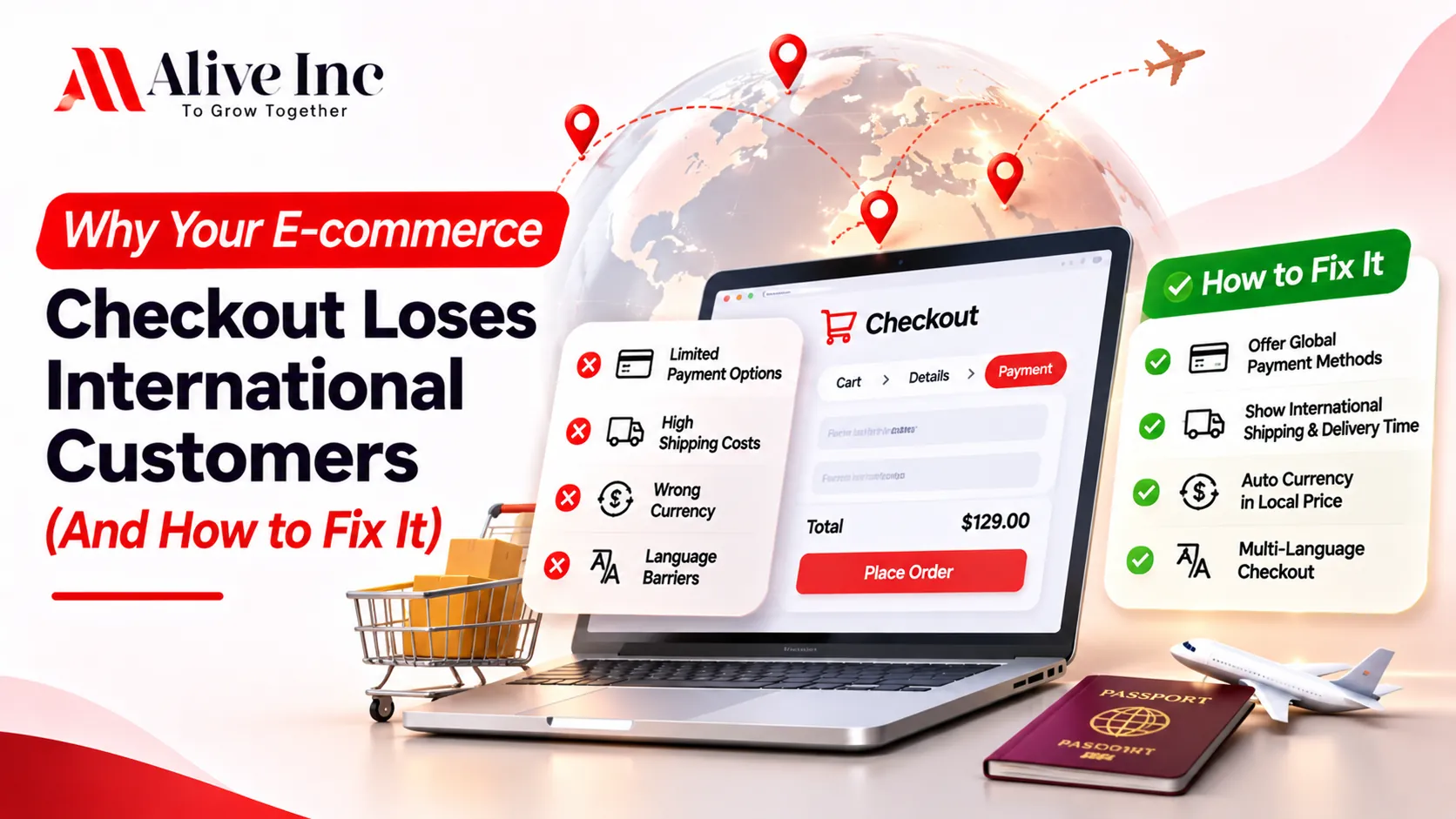
Getting visitors to an e-commerce website is only half the job. The bigger challenge is turning those visitors into paying customers. A website may attract thousands of visitors through SEO, advertising, and social media, but if shoppers cannot find products easily, trust the brand, or complete checkout without difficulty, those visits rarely translate into sales.
This challenge is particularly important in growing markets, where customers are often price-sensitive, mobile-first, and purchasing from unfamiliar brands for the first time. Improving e-commerce conversion rates requires more than an attractive website. It involves understanding customer behaviour, reducing friction, offering familiar payment options, and building confidence throughout the shopping journey.
Here are six areas where businesses can make meaningful improvements.
1. Design for Mobile First, Not as an Afterthought
Mobile devices are a primary shopping channel in many growing markets. Customers frequently browse products, compare prices, read reviews, and complete purchases directly from their smartphones.
However, a website that simply adjusts its desktop layout to fit smaller screens may still deliver a poor mobile shopping experience.
Businesses should design the mobile experience first and then adapt it for larger screens. This means prioritizing clear navigation, readable product information, accessible buttons, and simple checkout forms.
Important improvements include:
- Use mobile-friendly navigation and product filters.
- Display product images clearly without unnecessary loading delays.
- Keep important product details and pricing easy to find.
- Make add-to-cart and checkout buttons easy to tap.
- Avoid intrusive pop-ups that interrupt shopping.
- Minimize unnecessary animations and heavy visual elements.
The goal is to help customers move from product discovery to checkout without struggling with the interface.
2. Offer Payment Methods Customers Actually Use
Payment preferences vary significantly between markets. Offering only credit and debit card payments can prevent potential customers from completing purchases, even when they are interested in the product.
E-commerce businesses should understand which payment methods their target customers already trust and use.
Depending on the market, useful options may include:
- Credit and debit cards.
- Local instant-payment systems.
- Popular digital wallets.
- Buy Now, Pay Later services.
- Installment and EMI options for higher-value purchases.
- Cash on Delivery (COD).
Cash on Delivery can be particularly important for new or lesser-known brands. It allows customers to place an order without paying upfront to a business they may not know or trust yet.
However, COD also introduces additional operational costs, including failed deliveries, refused orders, and return-to-origin shipments. Businesses should monitor these costs rather than offering COD without considering its impact on profitability.
A flexible payment strategy should balance customer convenience with payment security and operational efficiency.
3. Build Trust Before Asking Customers to Buy
Trust plays a major role in e-commerce conversion, particularly when customers are purchasing from a brand for the first time.
Visitors want to know whether the product is genuine, whether the business will deliver on time, and what happens if something goes wrong.
A professional website design alone cannot answer these questions. Businesses need visible, credible trust signals throughout the shopping experience.
Some important elements include:
- Clear return and refund policies: Explain return conditions, refund timelines, and eligibility before customers reach checkout.
- Authentic product photography: Show products from multiple angles instead of relying entirely on manufacturer images.
- Genuine customer reviews: Display verified feedback, including a realistic range of customer ratings.
- Accessible contact information: Provide a real phone number, email address, or WhatsApp contact where appropriate.
- Transparent delivery information: Show estimated delivery times and applicable shipping charges.
- Secure payment indicators: Clearly communicate available payment security measures.
Trust should be established before the customer reaches the payment page, not introduced only at the final step.
4. Reduce Checkout Friction as Much as Possible
Checkout is one of the most important stages of the e-commerce conversion journey. Customers who have already selected products can still abandon their purchases if the checkout process is confusing or time-consuming.
Every unnecessary field, unexpected charge, or forced registration requirement creates another opportunity for customers to leave.
Businesses should simplify checkout by focusing on the information genuinely required to process an order.
Useful improvements include:
- Enable guest checkout instead of forcing account creation.
- Reduce unnecessary form fields.
- Display shipping charges before the final payment step.
- Provide address suggestions using postal or PIN code lookups.
- Offer familiar payment methods.
- Show a clear order summary before confirmation.
- Make error messages understandable and easy to resolve.
For returning customers, saved addresses and previously used payment preferences can make the process even faster.
The objective is simple: remove obstacles between adding a product to the cart and successfully placing an order.
5. Treat Website Speed and Product Search as Conversion Features
Website performance directly affects the shopping experience. A slow-loading product page can cause visitors to leave before they even see the product details.
This becomes particularly important in markets where customers may use mid-range smartphones and inconsistent mobile networks.
Businesses should optimize images, reduce unnecessary scripts, use efficient caching, and avoid loading resources that are not immediately required.
Product discovery also deserves attention. Customers should be able to find what they need without knowing the exact product name.
A useful search system should support:
- Common spelling mistakes.
- Related product terms.
- Regional spelling variations.
- Relevant product suggestions.
- Filters for price, category, size, and other attributes.
For example, a shopper searching for a particular product using an alternative spelling should still receive relevant results.
Faster pages and more accurate search results help customers discover products and move toward checkout with less effort.
6. Use Analytics to Identify Where Customers Drop Off
Improving conversion rates should be an ongoing process supported by actual customer behaviour.
Businesses need to understand which stages of the shopping journey cause visitors to leave. Website analytics and e-commerce tracking can reveal whether customers are abandoning product pages, shopping carts, checkout forms, or payment attempts.
Useful metrics include:
- Conversion rate.
- Add-to-cart rate.
- Cart abandonment rate.
- Checkout completion rate.
- Payment failure rate.
- Mobile versus desktop conversion rates.
- Average order value.
For example, if many customers add products to their carts but leave during checkout, the business should investigate shipping costs, payment options, and form complexity.
Testing one improvement at a time makes it easier to understand which changes produce measurable results.
Frequently Asked Questions
Should a new e-commerce business use Shopify or WooCommerce, or build a custom platform?
For most businesses starting out, established platforms such as Shopify and WooCommerce provide a faster and more practical way to launch. Custom development becomes valuable when specific workflows, integrations, or scalability requirements cannot be handled effectively by existing platforms.
How important is Cash on Delivery for a new e-commerce store?
COD can help new brands build customer confidence by removing the requirement to pay upfront. However, businesses should evaluate delivery failures, refused orders, and return costs before making it widely available.
What is the highest-impact change for improving e-commerce conversion rates?
There is no universal solution, but reducing checkout friction is a strong starting point. Guest checkout, fewer form fields, transparent shipping charges, and familiar payment options can remove common barriers to completing a purchase.
Does website loading speed really affect sales?
Yes. Slow-loading pages can increase abandonment, particularly on mobile devices and unreliable networks. Optimizing product images, scripts, and page resources helps customers browse and complete purchases more efficiently.
Conclusion
Improving e-commerce conversion rates requires businesses to understand what prevents customers from completing purchases. Mobile usability, familiar payment methods, visible trust signals, simple checkout processes, and reliable website performance all contribute to a better shopping experience.
However, conversion optimization should not stop after a website launches. Businesses need to monitor customer behaviour, identify friction points, and continuously test improvements.
The strongest e-commerce experiences make shopping convenient, payments familiar, and purchasing decisions easier. By addressing these fundamentals, businesses can turn more website visitors into customers and build a stronger foundation for long-term growth.